8000 - Encephalitis, epidemic, chronic
DBQ: Link to Index of DBQ/Exams by Disability for DC 8000
Acronyms: E, ENLI
Definition
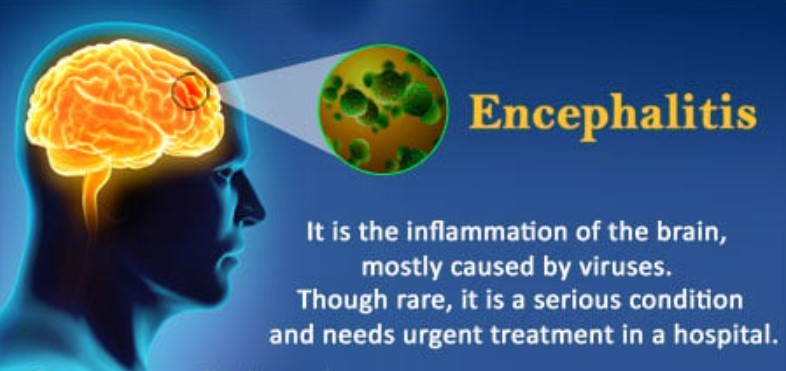
Encephalitis is defined as inflammation of the brain that may be acute or chronic and may be due to a specific disease entity.
Etiology
The condition may be caused by direct viral invasion of the brain or to a hypersensitivity initiated by a virus or other foreign protein. The hypersensitivity could be related to a sequela of influenza, measles, German measles, chickenpox, herpes virus, smallpox, or vaccinia. The condition may be a primary sign and symptom, or a secondary complication of a viral infection. The mode of transmission may be the bite of an infected mosquito or tick, or infected goat's milk.
Signs & Symptoms
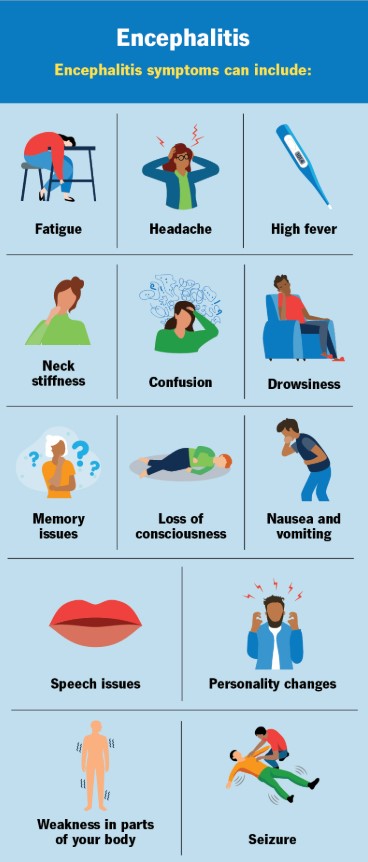
The condition may be characterized by headache, muscle stiffness, malaise, sore throat, and upper respiratory tract problems. Other manifestations may include: fever; malaise; or meningeal signs such as fever, headache, vomiting, malaise, and stiff neck and back. The condition may also produce fever and malaise without meningeal signs. In addition, there also may be cerebral dysfunction such as altered consciousness, personality changes, seizures, paresis, and cranial nerve abnormalities. The condition is differentiated from non-infectious meningitis by the extent and the severity of cerebral dysfunction, independent of signs of meningeal inflammation.
Tests
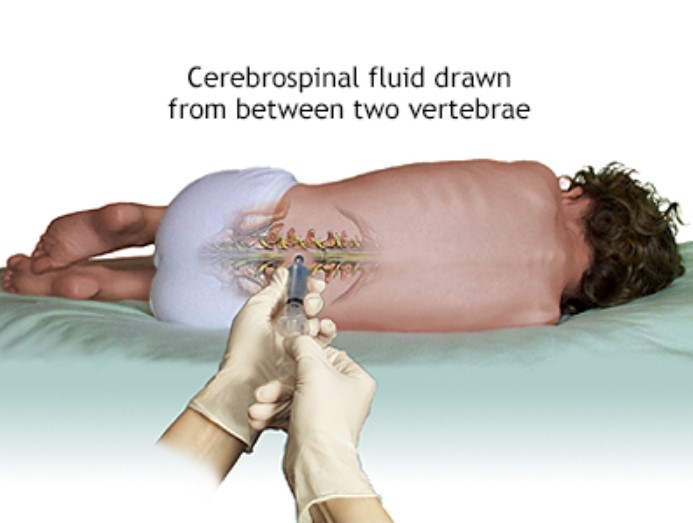
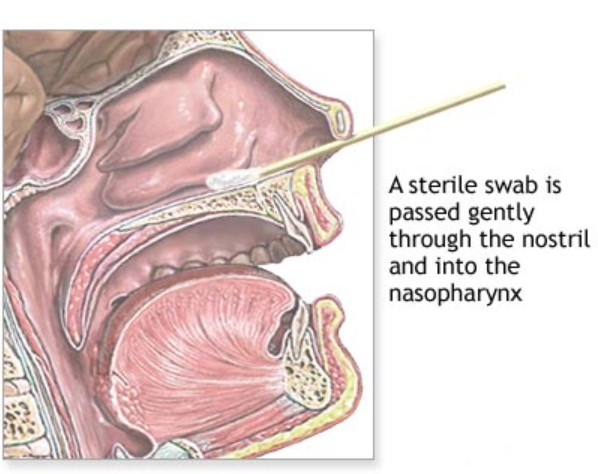
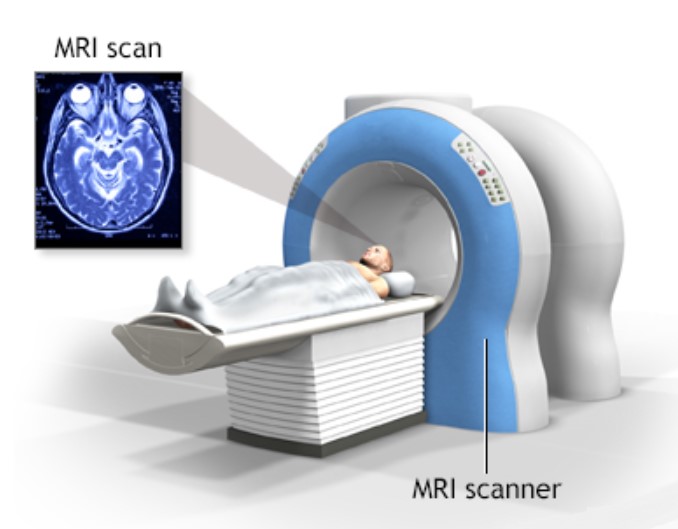
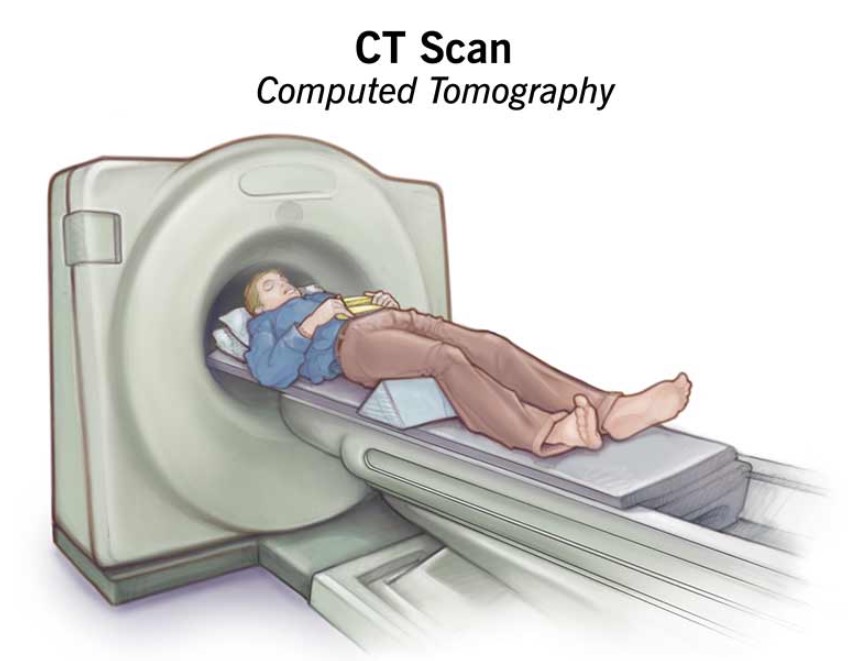
Tests may include complete blood work, and analysis of cerebrospinal fluid (CSF), and nasopharynx or stool cultures as well as magnetic resonance imaging (MRI), computed tomography (CT) scan or electroencephalogram (EEG).



Treatment
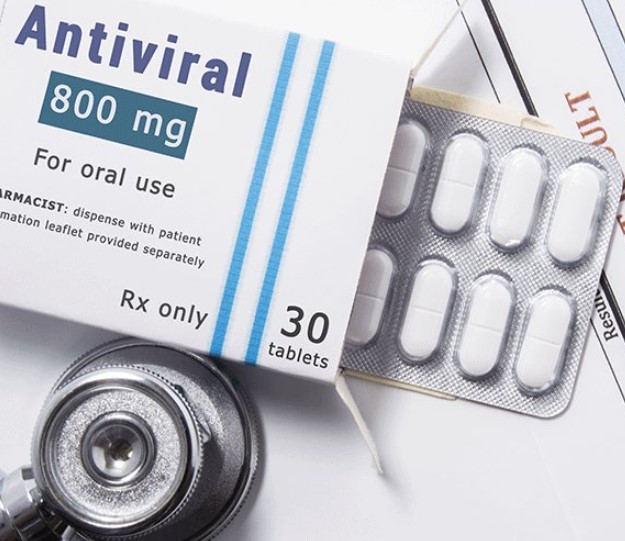
Treatment focuses on antibiotic and supportive therapies. Antiviral agents may be used for herpes simplex encephalitis. Supportive treatment may include: anticonvulsant drug therapy and glucocorticoids; sedatives; anti-inflammatories; fluid and electrolyte replacement; and antibiotics for other infections that may be present.

Residuals
There may be little or no residuals depending on the person's response to treatment. However, herpes simplex may be fatal.
Special Considerations
-
May be entitled to special monthly compensation where the Veteran has a single service-connected disability rated as 100% with additional service-connected disability or disabilities independently ratable at 60% or more, which are separate and distinct from the 100% service-connected disability and involves different anatomical segments or bodily systems. See 38 CFR 3.350(i)(1) – Special Monthly Compensation (SMC).
-
This disease shall be granted service connection although not otherwise established as incurred in or aggravated by service if manifested to a compensable degree within the applicable time limits under 38 CFR 3.307 following service in a period of war or following peacetime service on or after January 1, 1947, provided the rebuttable presumption provisions of 38 CFR 3.307 are also satisfied [38 CFR 3.309 . [Disease subject to presumptive service connection], 38 CFR 3.309 (a) [chronic disease].
Notes
-
It is required for the minimum ratings for residuals under diagnostic codes 8000-8025, that there be ascertainable residuals. Determinations as to the presence of residuals not capable of objective verification, i.e., headaches, dizziness, fatigability, must be approached on the basis of the diagnosis recorded; subjective residuals will be accepted when consistent with the disease and not more likely attributable to other disease or no disease. It is of exceptional importance that when ratings in excess of the prescribed minimum ratings are assigned, the diagnostic codes utilized as bases of evaluation be cited, in addition to the codes identifying the diagnoses.
-
Disability in this field is ordinarily to be rated in proportion to the impairment of motor, sensory or mental function. Consider especially psychotic manifestations, complete or partial loss of use of one or more extremities, speech disturbances, impairment of vision, disturbances of gait, tremors, visceral manifestations, injury to the skull, etc. In rating disability from the conditions in the preceding sentence refer to the appropriate schedule. In rating peripheral nerve injuries and their residuals, attention should be given to the site and character of the injury, the relative impairment in motor function, trophic changes, or sensory disturbances. 38 CFR 4.120
-
With the exceptions noted, disability from the following diseases and their residuals may be rated from 10 percent to 100 percent in proportion to the impairment of motor, sensory, or mental function. Consider especially psychotic manifestations, complete or partial loss of use of one or more extremities, speech disturbances, impairment of vision, disturbances of gait, tremors, visceral manifestations, etc., referring to the appropriate bodily system of the schedule. With partial loss of use of one or more extremities from neurological lesions, rate by comparison with the mild, moderate, severe, or complete paralysis of peripheral nerves” 38 CFR 4.124a